
No more queues at the ramp and chaos in notifications
L.YMS organizes vehicle traffic within the plant and schedules time slots.
Carriers complete notifications themselves, and the warehouse operates smoothly,
without peaks or overtime.

YMS System – Time Windows

Time windows (L.YMS – Logintegra Yard Management System) are a system for managing traffic within the plant. They enable the creation of warehouse work schedules and the management of notifications.

Modern tool
designed for manufacturers,
distribution companies, and retailers.
Effortlessly oversee and manage the entire transportation process with Logintegra’s logistics platform, from requesting cargo transport to delivering goods to the recipient.
Who is our YMS for?

What problems
do we solve most often?
How does our system work?
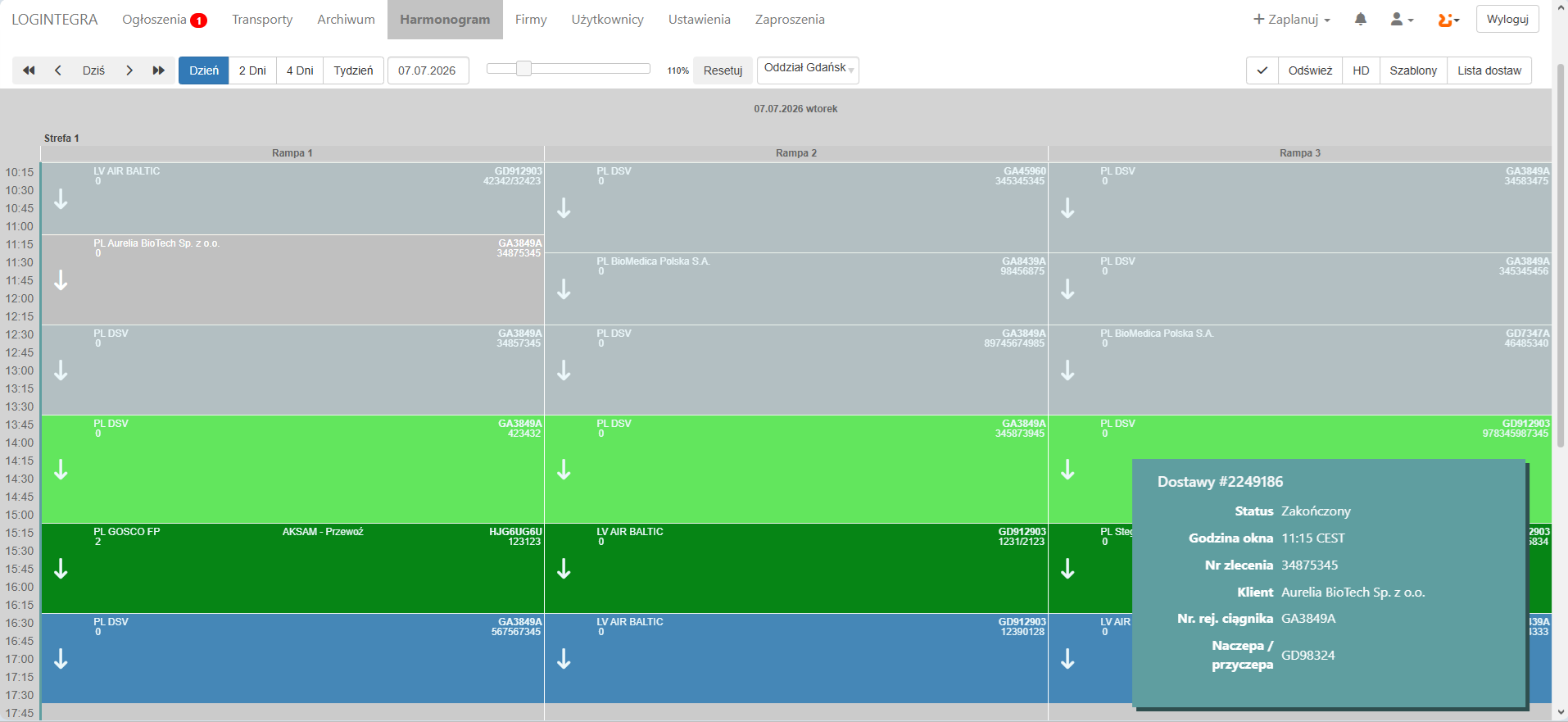
Benefits of implementing our YMS
Savings of an average of 20% on communication time
Reduction of vehicle service time by up to 23%
Fewer queues and downtimes
Uniform warehouse operation (fewer peaks)
Less overtime and pressure on the team
Better image with carriers (fewer complaints/opinions)
Less manual work (notifications from contractors)
Better safety/compliance (visibility of people and vehicles)
Business development without increasing resources
Check how we can help your company
Our clients






What does implementation
and cooperation look like?
Full assistance at every stage of cooperation
With your product purchase, you unlock a suite of complementary services:

The system is based on modules,
that, when properly selected, address the organization's specific needs.


Core modules
Core modules include essential functions and processes required to achieve the system's main objectives
Extra modules
Extra modules are components that extend the core system features, introducing new capabilities and functionalities.
Every module offers particular features that are adaptable and customizable to suit the unique requirements of the company.

Core modules
What defines a core module?
The core module provides essential functions
that enable the system to operate according to
users' expectations.
It includes key processes necessary to achieve the system's main objectives.
Configuration module
Allows you to manage and customize the platform's various parameters to suit the specific needs of your company.
Advice management module
To zaawansowane narzędzie, które umożliwia efektywne zarządzanie procesem awizacji dostaw i załadunków.
Warehouse schedule module
Umożliwia tworzenie i zarządzanie harmonogramem magazynu, pozwalając kontrahentom na rezerwację okien czasowych na dostawy i załadunki. Głównym celem modułu jest równomierne rozłożenie pracy magazynu i usprawnienie komunikacji między dostawcami, przewoźnikami i odbiorcami a magazynami. Moduł koordynuje dostępność zasobów, takich jak rampy załadunkowe czy personel, co minimalizuje czas oczekiwania i zatory.
Template module
Okna dedykowane – umożliwia użytkownikom tworzenie i zarządzanie spersonalizowanymi szablonami okien. Daje możliwość ustawienia powtarzalnych rezerwacji, czy przerw w obsłudze magazynu.
Security gate module
Manages the entry and exit operations at the facility, aiming to streamline drivers handling and improve security management.
Announcement module
Allows the administrator to publish diverse announcements visible to specific user groups.
Email alert moduleEmail notifications module
Automates sending of email alerts to users based on specific events or actions within the system.Automates sending of email alerts to users based on specific events or actions within the system.
Advice via Email module
Daje możliwość awizacji w systemie bez zakładania konta

Configuration module
Allows you to manage and customize the platform's various parameters to suit the specific needs of your company.
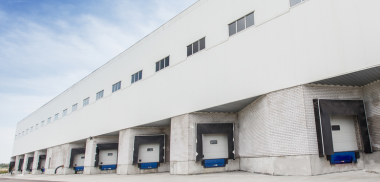
Advice management module
To zaawansowane narzędzie, które umożliwia efektywne zarządzanie procesem awizacji dostaw i załadunków.
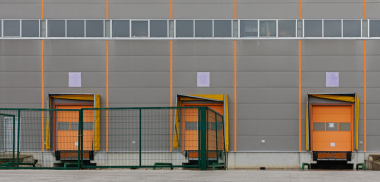
Template module
Custom slots - allows users to create and manage personalized window templates. Provides the ability to set up recurring bookings or breaks in warehouse operations.
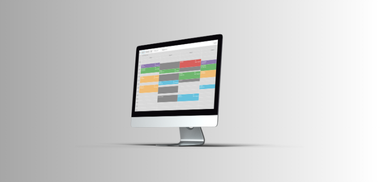
Warehouse schedule module
Facilitates creation and management of warehouse schedule, allowing partners to reserve time slots for deliveries and loading. The main objective is to evenly distribute warehouse work and enhance communication between suppliers, carriers, recipients, and warehouses. The module coordinates the availability of resources - loading ramps and personnel - reducing wait times and bottlenecks.
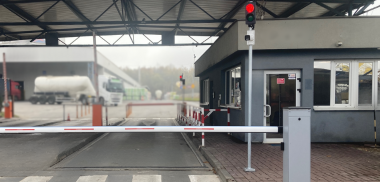
Security gate module
Manages the entry and exit operations at the facility, aiming to streamline drivers handling and improve security management.

Email alert moduleEmail notifications module
Automates sending of email alerts to users based on specific events or actions within the system.Automates sending of email alerts to users based on specific events or actions within the system.

Advice via Email module
Enables adding advices into the system without the need to create an account.

Announcement module
Allows the administrator to publish diverse announcements visible to specific user groups.
Frequently Asked Questions
Talk about improving your logistics:
Fill out the form and we will contact you to assess whether we can help your company.



Talk about improving your logistics:
Fill out the form and we will contact you to assess whether we can help your company.
Logintegra Sp. z o.o.
ul. Lęborska 3B
80-386 Gdańsk
NIP: 584-272-80-64